

When embarking on a construction or renovation project, one of the most important decisions is choosing the right material for your surfaces. Two popular options in the building industry are microcement and traditional concrete. Both materials are versatile and durable, but they offer distinct advantages depending on your specific needs. Whether you’re renovating a home or building from the ground up, understanding the differences between microcement and traditional concrete can help you make an informed decision.
In this comprehensive guide, we’ll compare and contrast microcement and traditional concrete in terms of cost, application, aesthetics, and maintenance, allowing you to choose the best option for your project.
Introduction to Microcement and Concrete
What is Microcement?
Microcement is a thin, decorative coating that can be applied to a variety of surfaces such as floors, walls, ceilings, and even furniture. Made from a blend of cement, resins, and pigments, microcement creates a smooth, seamless finish that is both durable and highly customisable. Its versatility makes it suitable for a wide range of applications, from residential kitchens and bathrooms to commercial spaces.
What is Traditional Concrete?
Traditional concrete, on the other hand, is a mixture of cement, sand, gravel, and water that is poured into forms and left to set. It is a staple in construction due to its strength and durability. Concrete is primarily used in structural applications like foundations, floors, pavements, and other load-bearing elements. While concrete can also be used for decorative purposes, it typically requires additional treatment, such as stamping, polishing, or staining, to achieve a more aesthetic finish.
Now that we have a basic understanding of both materials, let’s take a deeper dive into how they compare across several important criteria.Comparison Criteria
To help you decide which material is right for your project, let’s explore how microcement and traditional concrete stack up in key areas like cost, application, maintenance, and aesthetics.
Cost
Microcement:
- Pros: One of the primary drawbacks of microcement is its cost. Microcement tends to be more expensive per square metre than traditional concrete. This is due to the quality of materials involved, the skilled craftsmanship required, and the labour-intensive installation process.
- Cons: However, if you’re renovating an existing surface, microcement can be more cost-effective than completely removing and replacing old tiles or floors. It can be applied directly over existing surfaces like old tiles or concrete, eliminating the need for time-consuming and costly demolition. Additionally, microcement’s seamless nature means fewer materials and fewer joints, reducing maintenance costs over time.
Traditional Concrete:
- Pros: Concrete is generally more affordable than microcement, especially for large-scale projects. Whether you’re installing a concrete driveway or laying down a foundation, concrete tends to be a cost-effective choice, particularly when used in bulk.
- Cons: While concrete might seem cheaper at first glance, the overall cost can rise depending on the finish required. Decorative concrete, for instance, can require extra processes like polishing, stamping, or staining to achieve the desired look, all of which increase both time and cost.
Overall, microcement comes with a higher upfront cost, but it offers value when renovating surfaces and reducing future maintenance. Concrete, though cheaper initially, may come with added costs depending on your desired finish.
Application
Microcement:
- Pros: One of the major advantages of microcement is its flexibility in application. It can be applied over virtually any surface, including tiles, wood, existing concrete, and even plaster. This makes it an excellent choice for renovations, as you can refresh tired or outdated surfaces without needing a complete overhaul.
- Cons: While microcement can be applied to almost any surface, it requires a highly skilled applicator to ensure an even, durable finish. Unlike traditional concrete, which is poured into forms, microcement is carefully spread by hand in thin layers. The process can take longer than traditional concrete installation, especially for large areas.
Traditional Concrete:
- Pros: Concrete is straightforward to apply, especially when it comes to larger-scale projects such as floors, driveways, and foundations. It is typically poured directly onto prepared ground or into formwork, making the application relatively simple for experienced professionals. Concrete is also highly effective for structural applications, such as foundations and load-bearing elements.
- Cons: While applying concrete might seem quick, the curing process is lengthy. Concrete needs to be carefully cured to ensure it gains the necessary strength. Additionally, for decorative concrete, extra treatments, such as polishing or stamping, add more time and labour to the application.
When it comes to versatility, microcement stands out as it can be applied over almost any surface, making it ideal for renovation projects. However, traditional concrete remains the go-to material for larger, structural jobs
Maintenance
Microcement:
- Pros: One of the primary reasons people choose microcement is its low-maintenance nature. Unlike traditional concrete, which may require regular resealing and repairs, microcement is resistant to stains and water damage. It is easy to clean, making it perfect for wet areas like bathrooms and kitchens. Its seamless finish also reduces the likelihood of dirt and grime accumulating in grout lines or joints, which are common in tiled surfaces.
- Cons: While microcement is durable, it can crack if the surface beneath it shifts. Cracks in microcement are typically minor and can be easily repaired by a professional. However, microcement should still be cared for by regularly cleaning it with non-abrasive products to avoid damaging its finish.
Traditional Concrete:
- Pros: Concrete is incredibly durable and can last for many years with minimal upkeep. If properly sealed, concrete surfaces can resist staining and weathering. Concrete is also resistant to impact and can withstand heavy traffic, making it ideal for high-use areas like driveways, walkways, and garage floors.
- Cons: The downside of concrete is that it can crack over time, especially in outdoor or high-traffic areas. Weather, shifting ground, and pressure can lead to surface damage. Cracks can be repaired, but this may require professional attention, and repairs may not always blend seamlessly with the original surface.
In terms of maintenance, microcement generally requires less upkeep than traditional concrete, especially in high-use areas. However, both materials are durable if properly cared for.
Aesthetics
Microcement:
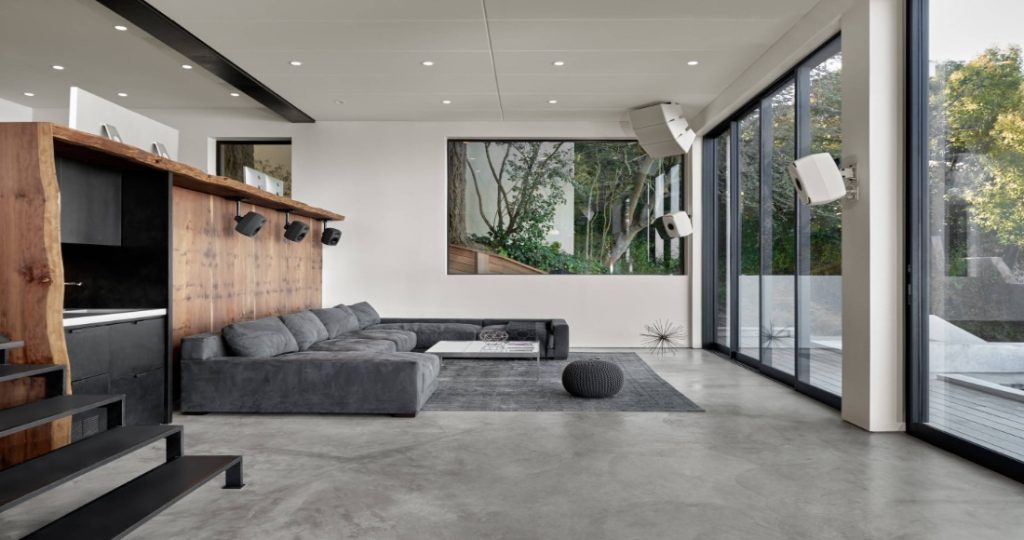
Microcement is renowned for its sleek, contemporary look. It offers a seamless, smooth surface that can be tailored to match any design vision. Available in a wide range of colours and finishes, microcement can be customised with textures and patterns, making it a popular choice for modern and minimalist designs. Whether you’re after a matte, satin, or polished finish, microcement provides a high-end aesthetic with minimal joints.

Traditional Concrete:
While concrete may not have the same modern appeal as microcement, it can still be used for decorative purposes. Polished concrete offers a clean, shiny finish, while stamped concrete can mimic the appearance of natural stone, tile, or brick. However, concrete tends to have a more industrial look compared to the sleek, seamless style of microcement.
Final Thoughts: Microcement vs Concrete
Both microcement and traditional concrete have their place in construction and design. Microcement is ideal if you want a high-end, modern look and are working with existing surfaces that need a fresh update. It’s perfect for interior applications, providing a seamless, aesthetic finish that’s easy to maintain. However, it comes with a higher cost and requires skilled application.
Traditional concrete, on the other hand, is an excellent choice for structural projects and can be more cost-effective for large surfaces. While it may need additional finishing treatments to achieve an aesthetic look, it’s a durable and reliable material for foundations, floors, and outdoor surfaces.
Ready to Start Your Project?
Are you leaning towards microcement or traditional concrete for your upcoming project? Whether you’re planning a stylish interior renovation or a robust outdoor construction, we’re here to help you make the right choice.
If you’re curious about the many benefits of microcement to renovate your home, be sure to check out our blog post on microcement advantages for renovation.
For more in-depth comparisons of microcement in bathrooms specifically, don’t miss this industry article on it.
By weighing the pros and cons of microcement vs. concrete, you can select the perfect material to suit your needs and budget. Let us guide you through the process with expert insights and professional service every step of the way. Visit our showroom today, and let’s explore the possibilities together.